
Quality & Testing
Shackle hardening, lever pack tension, plating adhesion and lot-by-lot functional inspection before packing.
Quality control is a manufacturing problem, not a marketing one
- Manufactured at
- Koil, Aligarh, pressing to packing in one unit
- Inspected
- Lot by lot, before the carton is taped
- Documentation
- Test reports and attested registrations against an order
A padlock is only judged on the day someone tries to break it. That makes quality control a manufacturing problem rather than a marketing one, so this page sets out what we actually check, and where.
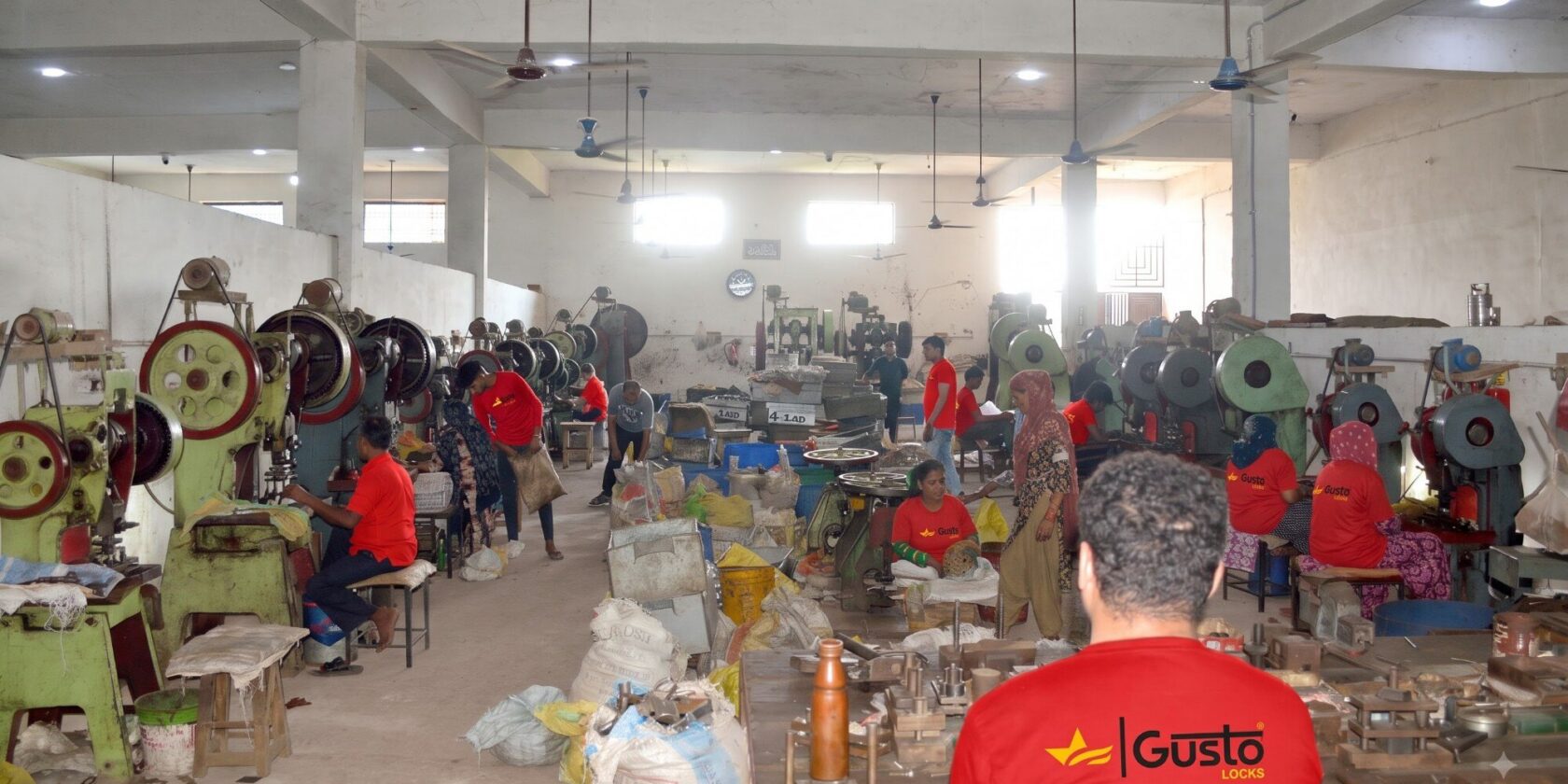
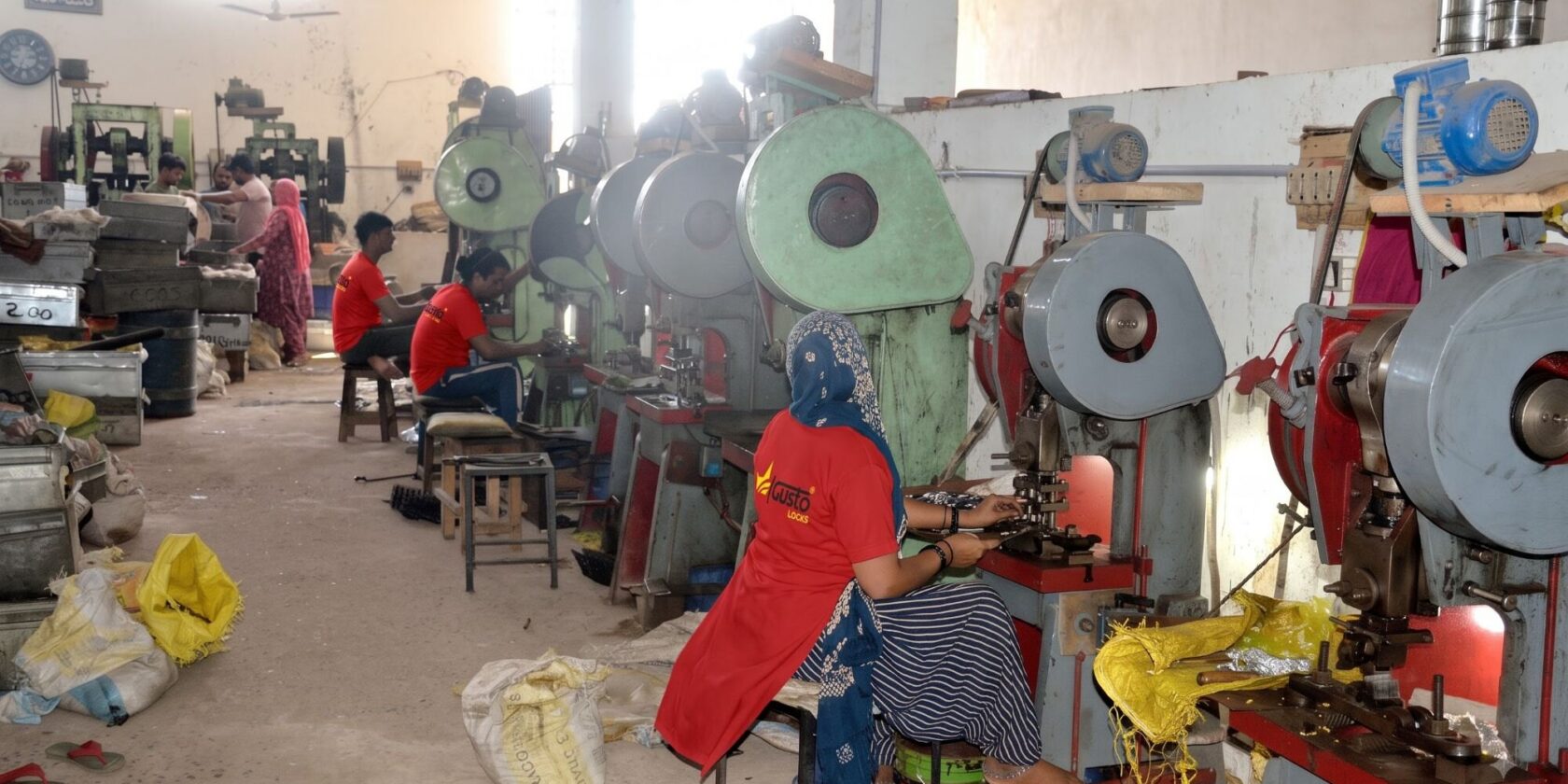
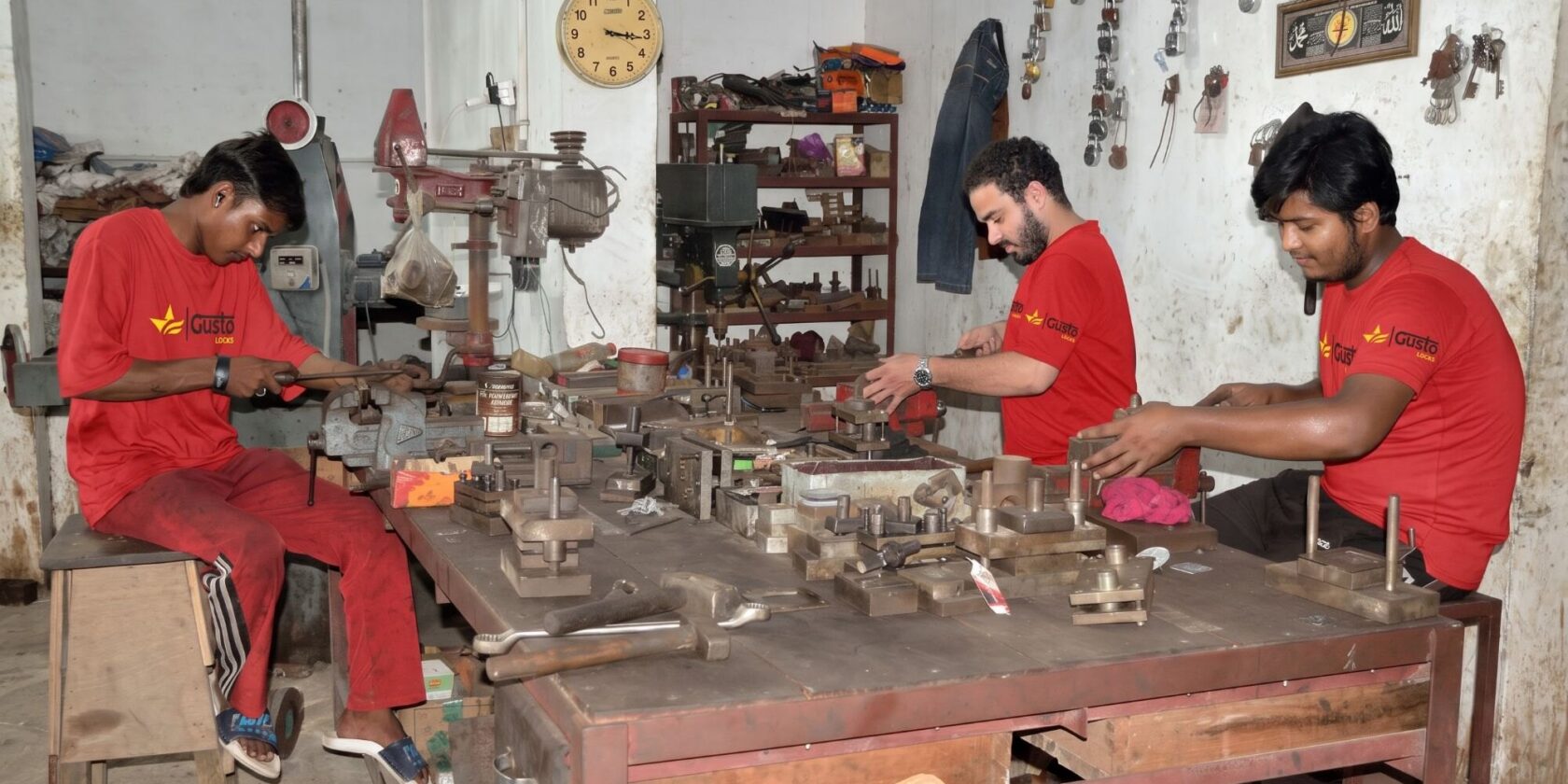
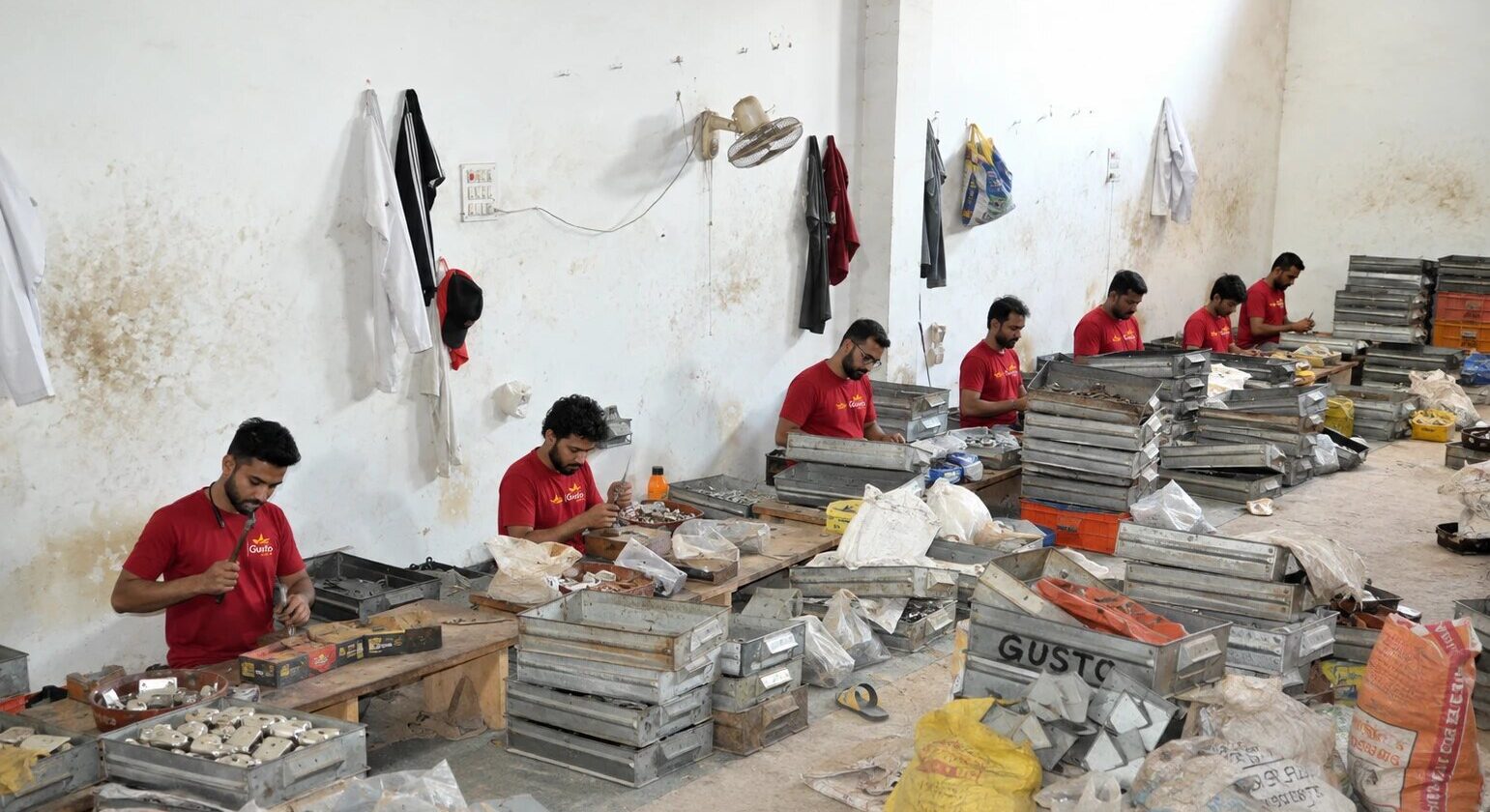
Every stage happens in our own unit in Koil, Aligarh, which means a fault is caught by the person who caused it rather than by a dealer six weeks later.
Where a buyer needs documentation for procurement or a tender, test reports and attested copies of our registrations can be arranged against a specific order.
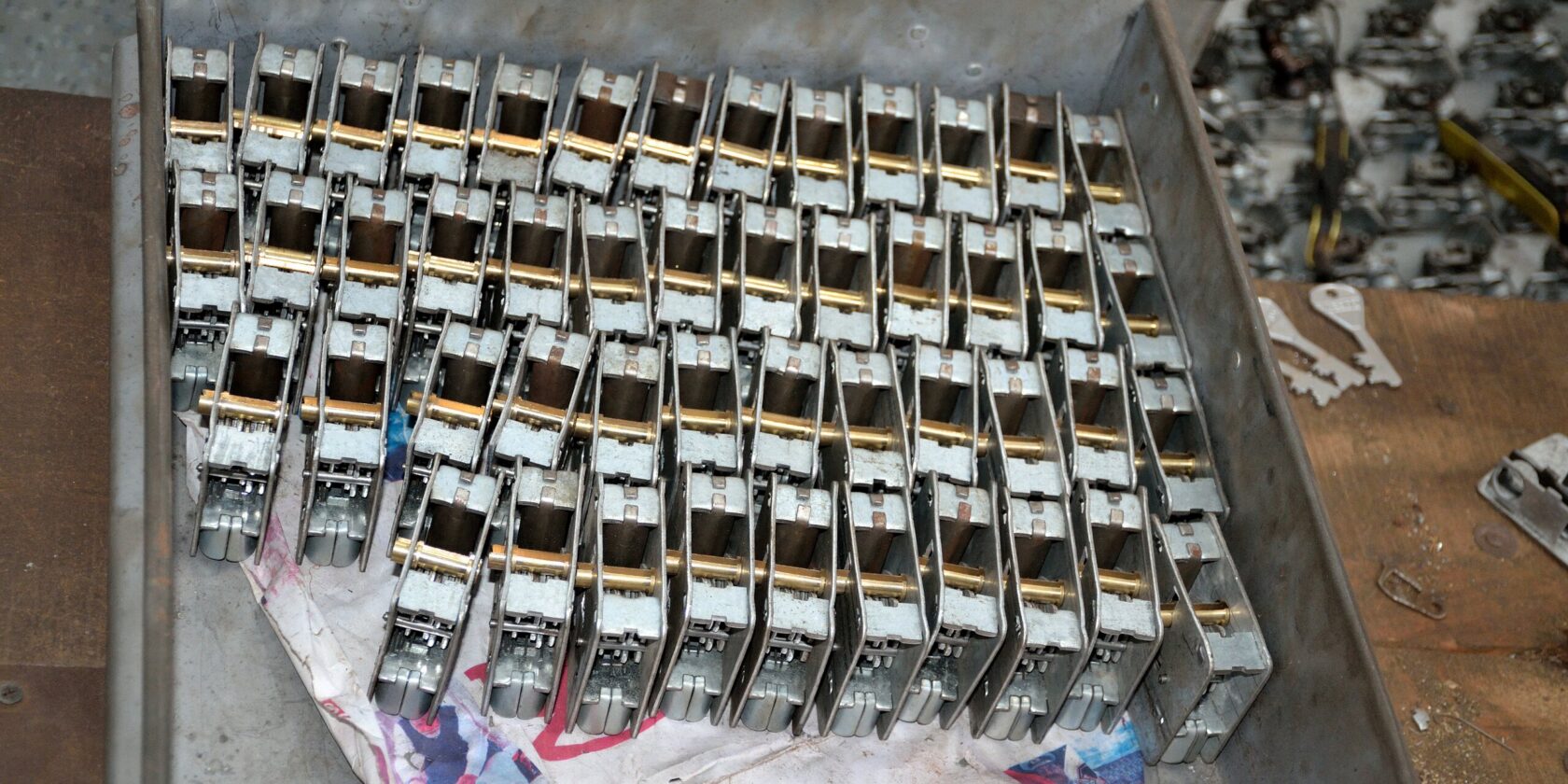
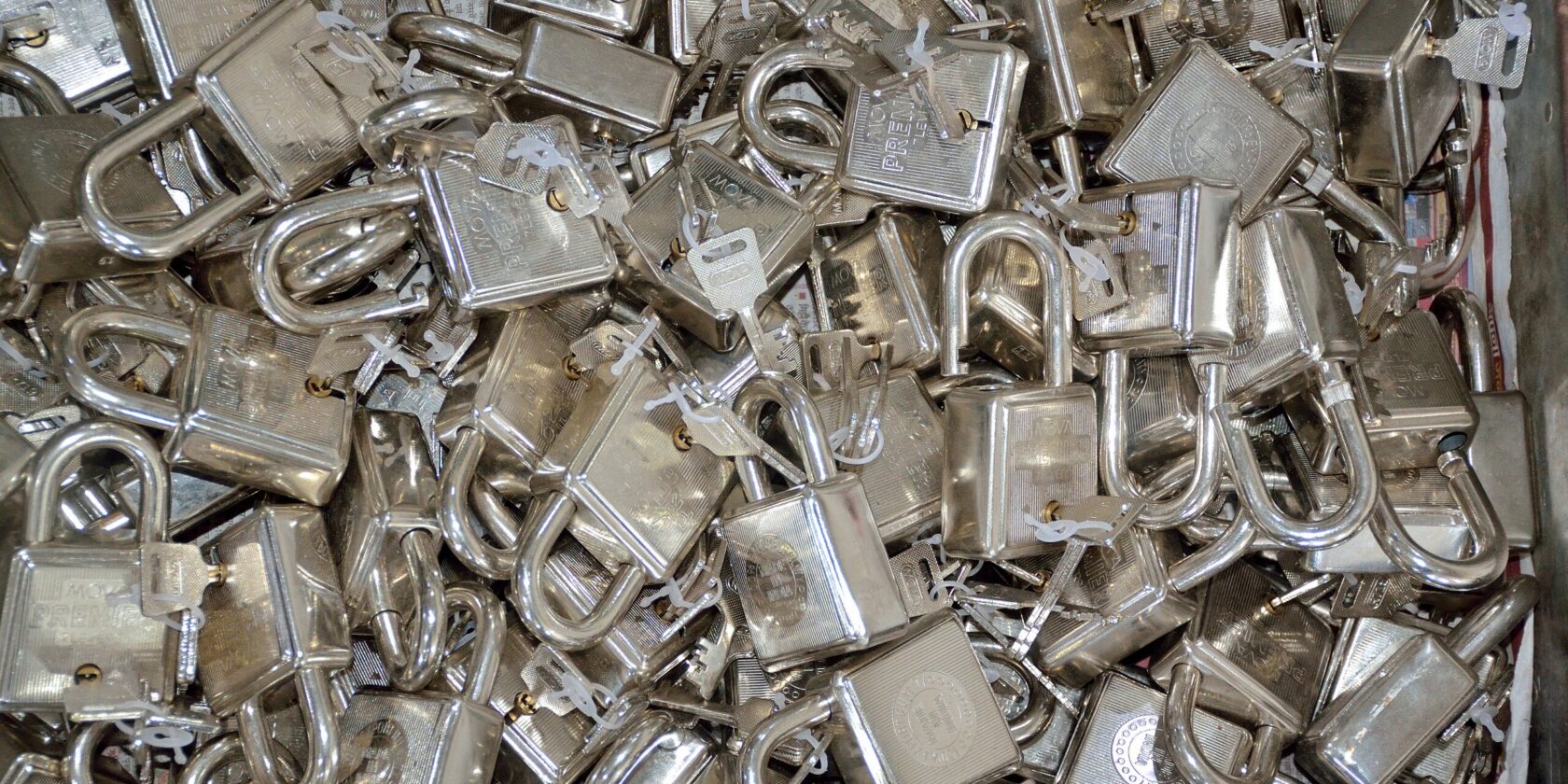
Where quality is decided
Every point between the steel arriving and the carton being taped. A piece that fails at one of them does not move to the next.
Incoming material
Steel is checked for gauge and finish before it goes to the press. Material that is out of tolerance is rejected at the gate rather than discovered at assembly.
The shackle
This is where most padlocks fail. Shackles are heat treated and checked for hardness, because an unhardened shackle can be cut with a hand hacksaw no matter how good the rest of the lock is.
The lever pack
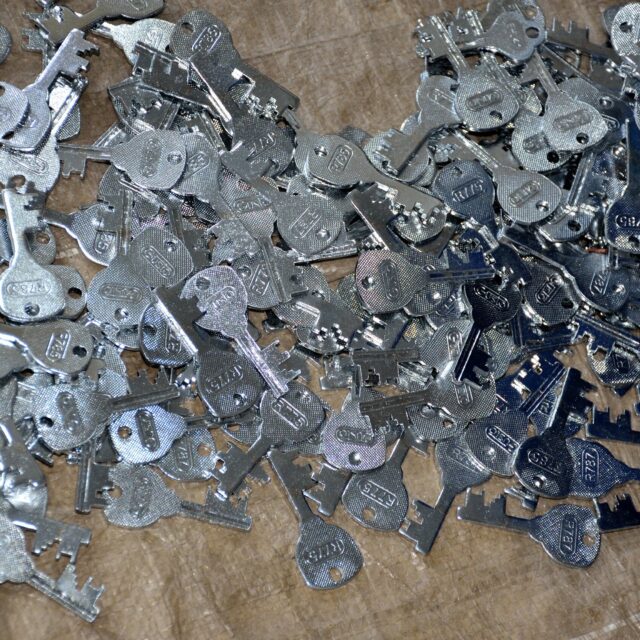
Lever count decides how many distinct key combinations a model can carry, and ours run from six levers to twelve. Springs are checked for tension so the lock does not stiffen after a season of use.
Plating
Bright chrome plating is what stands between a mild steel body and monsoon humidity. Coverage and adhesion are checked lot by lot, with particular attention to the recesses around the keyway.
Function
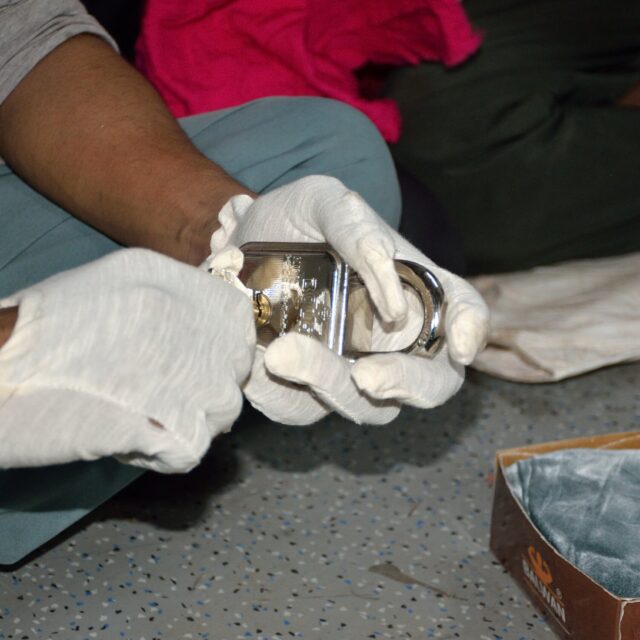
Every lock is worked with its own keys before it is packed. Locking, unlocking, shackle release and the double or four-locking engagement are all checked by hand.
What the range is built to
| Models | Fourteen, across four body types |
|---|---|
| Body types | Square body, round body, long shackle, shrouded disc |
| Body sizes | 40 mm cabinet padlocks to 90 mm disc padlocks |
| Materials | Mild steel bodies and shackles, brass components |
| Finish | Bright chrome plated as standard; brass finish on the Nau-Tal and Active ranges |
| Lever mechanism | Six to twelve levers, double and four-locking |
| Private label | Your own branding stamped on the body for bulk orders |
Figures vary by model. The size table on each product page carries the dimensions for that lock.
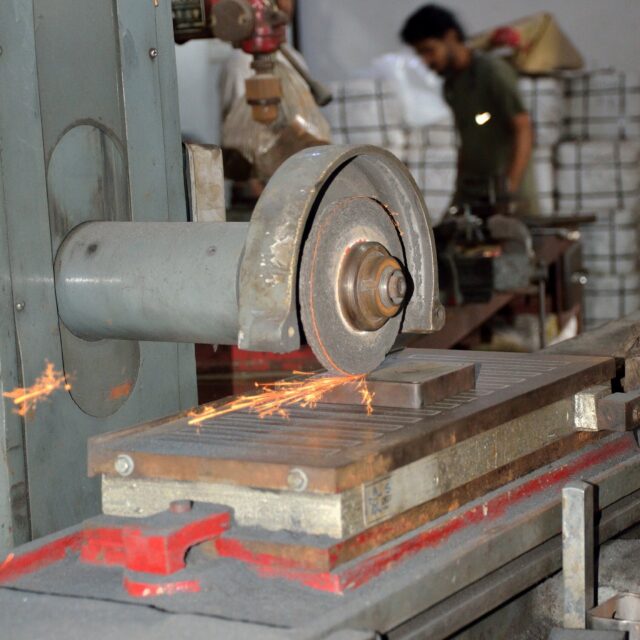
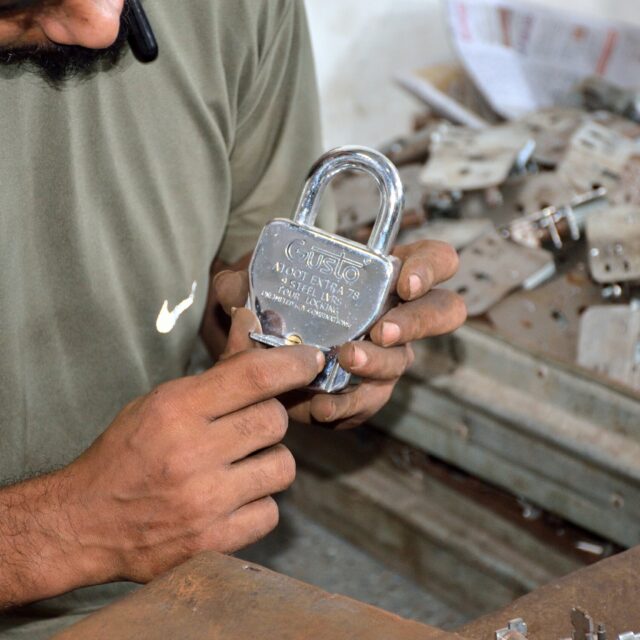
What is recorded against a lot
Named checks, so a buyer can ask about a specific one rather than being told the locks are “quality tested”.
Lot-by-lot inspection
Finished goods are inspected in lots rather than by sampling alone. Body finish, shackle hardness, key operation, locking engagement and packing count are recorded for each lot, and a lot that fails on any of them does not leave the unit.
Why key combinations matter
A dealer who supplies forty padlocks into one building has a real problem if two of them open with the same key. Lever packs are set so that combinations are not repeated within a consignment.
Room for more keys
The higher lever models, the Unique at twelve levers and the Atoot Extra at nine, exist for buyers who need a large combination space.
Independent testing
Laboratory testing can be arranged against a specific order: salt spray corrosion testing to ASTM B117, and cycle or endurance testing that confirms the mechanism does not wear or seize under repeated operation.
If a lot does not pass
If a consignment has a fault, we replace it. A dealer who has to argue about a faulty lot does not reorder, so it is cheaper for us to replace the goods than to defend them.
Ask before you order a lot
Send for a sample and try it yourself. Put the shackle under load, cross-try the keys against another lock, leave it out in the weather. It is a cheaper argument for both of us than a consignment that comes back.
Judge it yourself
Ask for a sample lock before you order a lot. Try the keys, put the shackle under load, and tell us what you find.
+91 84393 53678
gustolock@gmail.com